Can Dancewear Cause Skin Irritation?
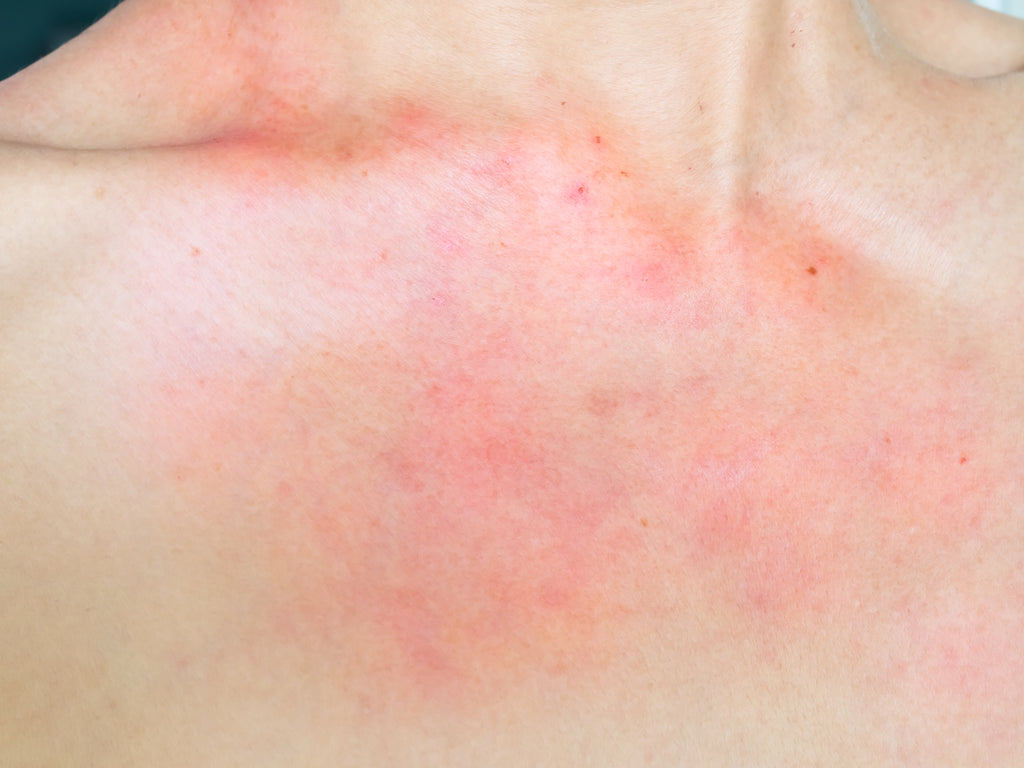
It's possible. Certain fabrics and the chemicals used to process them can contribute to skin irritation, especially in tight-fitting, sweat-heavy garments like leotards and tights. Synthetic materials combined with sweat are a common trigger, and some processing chemicals used on both synthetic and conventional cotton fabrics have been linked to skin reactions in some people.
The fix isn't as simple as "avoid synthetic." What matters more is what's actually in the fabric, which is exactly what a certification claim in the product description is meant to tell you.
What actually causes skin irritation from dancewear?
A few factors tend to come up most often:
-
Synthetic fabric plus sweat. Materials like polyester and nylon trap heat and moisture against skin, and that combination can aggravate existing skin conditions. Dancers managing eczema are often advised to choose leotards made of cotton or moisture-wicking natural fabric rather than synthetic blends, since synthetic tights and leotards can aggravate eczema, particularly when combined with sweat.
-
Processing chemicals. Fabric doesn't start out finished. Dyes, formaldehyde-based finishes, and other treatments are applied during manufacturing. According to a dermatology reference on textile contact dermatitis, allergic reactions to clothing are most often traced to formaldehyde finishing resins and dyes rather than the fiber itself, even though true allergic reactions to any given fabric are uncommon. Disperse dyes, a class commonly used to color synthetic fabric, are specifically noted in a peer-reviewed review as the textile dyes most frequently associated with contact allergy.
-
Fit and friction. Tight seams, tags, and elastic can cause mechanical irritation on their own, separate from the fabric itself. This is a real factor but not one a certification addresses.
-
Detergent residue. Worth ruling out before blaming the garment, since wash routines and product residue are a common contributor to skin reactions in dancers, independent of what the leotard is made from.
What does a GOTS or OEKO-TEX certification actually mean?
Since processing chemicals and dyes can cause skin irritation, this is where certification comes in. These are the two certifications worth understanding when you're reading a product description.
GOTS (Global Organic Textile Standard) certifies the cotton fiber and its processing. To be GOTS-certified, cotton must be grown without synthetic pesticides, avoid GMOs, and be processed without a restricted list of hazardous chemicals, tracked through the supply chain. We covered this in more detail in What Does GOTS Certified Actually Mean?
OEKO-TEX STANDARD 100 certifies the finished fabric itself, independent of whether the fiber is organic. It tests for a defined list of substances, including formaldehyde, certain azo dyes, heavy metals, and phthalates, and sets limits below which the fabric can carry the certification. This is a separate check from GOTS and covers the finished textile, not just the raw fiber.
How AYDN's fabric meets these standards
AYDN dancewear is made with GOTS-certified organic cotton, meaning the cotton fiber is grown without synthetic pesticides and processed without the chemical list restricted under the GOTS standard. The fabric is also made with OEKO-TEX STANDARD 100 certified, meaning it has been independently tested for substances including formaldehyde, certain azo dyes, and heavy metals.
Garments are sewn in a Fair Trade Certified facility, which is a separate certification covering labor conditions rather than fabric content.
None of this guarantees zero irritation for every wearer, since skin sensitivity varies from person to person. What these certifications do confirm is that the fabric was independently tested against a defined list of substances, and that the cotton was processed without a specific set of restricted chemicals, rather than relying on an unverified claim.
Frequently asked questions
Q: Can leotards cause skin irritation?
A: Yes, particularly from synthetic fabric combined with sweat, processing chemicals used in manufacturing, or friction from tight seams and tags.
Q: Is cotton better than synthetic for sensitive skin?
A: For many wearers, yes. Cotton is more breathable and doesn't trap heat and moisture the way synthetic fabric can. Remember this depends on the individual and specifically how the cotton was processed in the manufacturing facility.
Q: What does GOTS certification actually test for?
A: GOTS certifies that cotton is grown without synthetic pesticides and processed without a restricted list of hazardous chemicals, tracked through the supply chain from farm to finished fabric.
Q: What does OEKO-TEX STANDARD 100 certification mean?
A: It means the finished fabric has been independently tested and found to be below defined limits for substances including formaldehyde, certain azo dyes, heavy metals, and phthalates.
Q: How do I find dancewear that doesn't irritate my child's skin?
A: Look for garments made from natural fibers like organic cotton rather than fully synthetic blends, and check whether the fabric has been independently tested or certified rather than just described as "gentle" or "soft." Explore AYDN's collection, made with GOTS-certified organic cotton and made with OEKO-TEX® STANDARD 100 certified fabric.